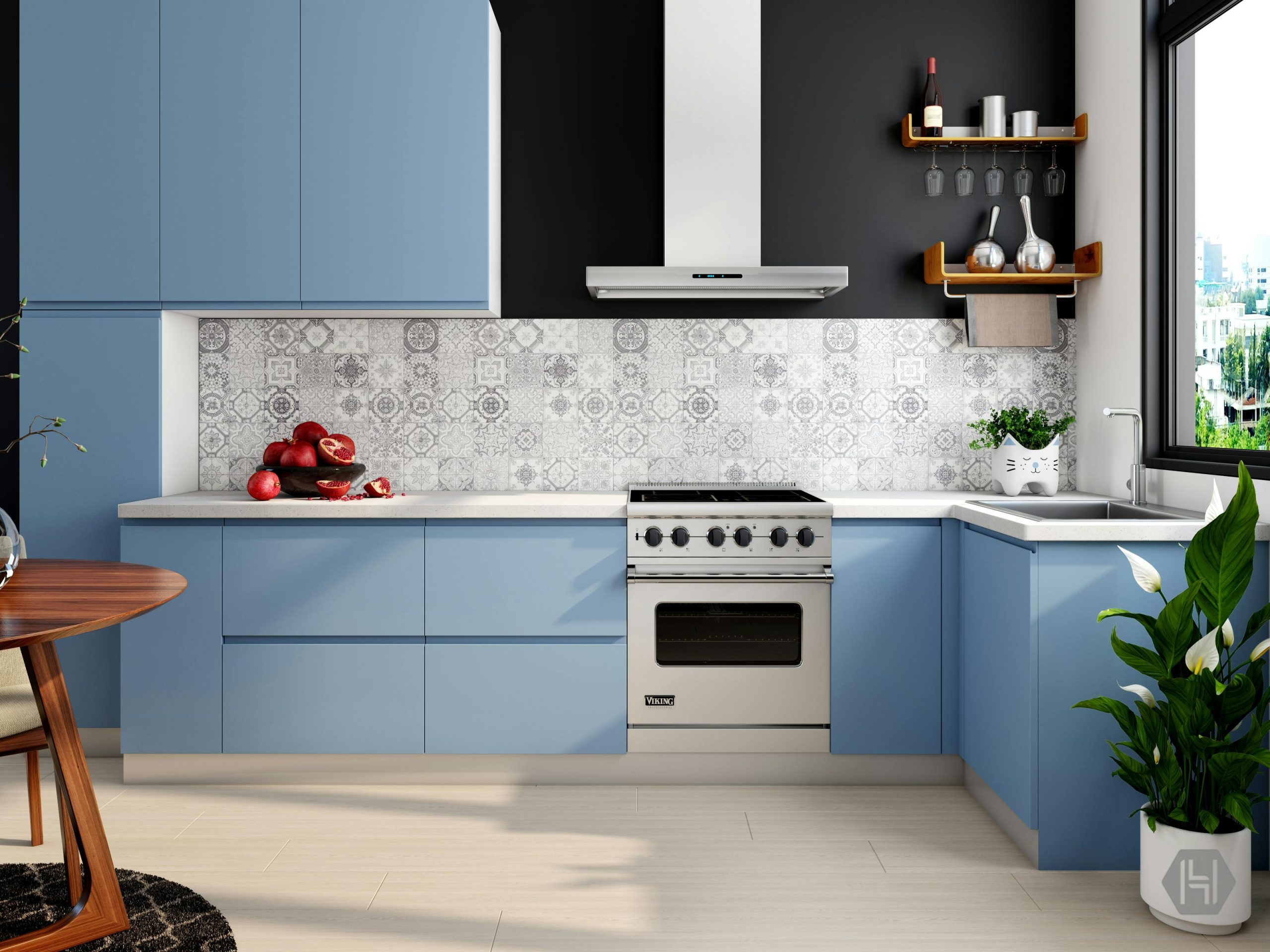
The Complete Guide to Buying Kitchen Furniture: Tips, Trends, and Considerations for 2026
The kitchen is often considered the heart of the home—a space where family gathers, meals are prepared, and memories are made. As such, choosing the right kitchen furniture is essential for creating a functional, stylish, and comfortable environment. Whether you’re renovating an existing kitchen or designing a new one, selecting the appropriate furniture can significantly enhance your cooking experience and overall home aesthetic.
In this comprehensive guide, we’ll explore everything you need to know about buying kitchen furniture in 2026, including current trends, key factors to consider, and practical tips to help you make the best choices for your space and lifestyle.
Why Is Kitchen Furniture Important?
Kitchen furniture not only adds to the aesthetic appeal but also impacts the functionality and efficiency of your cooking space. Properly selected furniture can:
- Maximize storage and organization
- Improve workflow and ergonomics
- Reflect your personal style
- Increase the value of your home
- Ensure durability and longevity
Investing in quality kitchen furniture is an investment in convenience, comfort, and the overall ambiance of your home.
Current Trends in Kitchen Furniture in 2026
1. Eco-Friendly Materials
Sustainability continues to be a priority. Expect to see more kitchens featuring furniture made from recycled or renewable materials such as bamboo, reclaimed wood, and biodegradable composites.
2. Modular and Multi-Functional Pieces
Flexibility is key. Modular units that can be rearranged or expanded allow homeowners to adapt their kitchen space as needed. Multi-purpose furniture, like islands with built-in storage or foldable tables, helps maximize limited space.
3. Minimalist and Sleek Designs
Clean lines, handleless cabinets, and simple color schemes dominate modern kitchens. Neutral tones like whites, grays, and earth colors are complemented with metallic accents.
4. Smart Storage Solutions
Innovative storage options, such as pull-out shelves, lazy Susans, and hidden compartments, help keep countertops clutter-free.
5. Industrial and Vintage Styles
Mixing materials like metal and wood, combined with vintage fixtures, adds character and warmth to contemporary kitchens.
Key Factors to Consider When Buying Kitchen Furniture in 2026
1. Space and Layout
Assess your kitchen’s size and layout. For small kitchens, opt for space-saving, multi-functional furniture. Larger kitchens can accommodate more elaborate setups with islands, breakfast bars, and extensive cabinetry.
2. Material Quality and Durability
Choose furniture made from sturdy, high-quality materials that can withstand daily use, moisture, and temperature changes. Popular options include MDF with laminate, solid wood, stainless steel, and tempered glass.
3. Style and Aesthetic
Match your furniture style with your overall home decor. Whether you prefer modern minimalism, rustic charm, or industrial chic, ensure consistency throughout your space.
4. Storage Needs
Identify your storage requirements. Do you need more cabinet space, dedicated spice racks, or specialized drawers for utensils? Plan accordingly to keep your kitchen organized.
5. Budget
Set a realistic budget. Quality furniture may cost more upfront but offers better longevity. Consider investing in key pieces like cabinets and tables, and supplementing with less expensive accessories.
6. Functionality and Ergonomics
Ensure furniture layout promotes ease of movement and accessibility. Counter height, drawer placement, and cabinet accessibility are crucial for comfortable use.
7. Maintenance and Cleaning
Opt for surfaces that are easy to clean and maintain. Smooth finishes and sealed materials reduce dirt buildup and simplify upkeep.
Types of Kitchen Furniture to Consider
1. Kitchen Cabinets
The backbone of kitchen storage, cabinets come in various styles, materials, and configurations. Choose between wall-mounted, base cabinets, or tall pantry units based on your needs.
2. Kitchen Islands and Breakfast Bars
Functional islands can serve as prep stations, dining areas, or additional storage. Select portable or built-in options depending on your space.
3. Dining Tables and Chairs
If your kitchen includes a dining space, select furniture that complements your style and fits your daily routine. Extendable tables are great for accommodating guests.
4. Shelving and Open Cabinets
Open shelving adds visual interest and easy access to everyday items. Use it to display decorative pieces or store frequently used utensils.
5. Small Appliances and Accessories
Integrate spaces for microwaves, coffee makers, and other appliances to keep countertops clutter-free.
Tips for a Successful Kitchen Furniture Purchase
- Plan Ahead: Create a detailed layout plan, including measurements and design preferences. Use design software or consult with a professional for an accurate plan.
- Prioritize Functionality: Focus on how you use your kitchen daily—cooking habits, storage needs, and seating arrangements.
- Visit Showrooms: Test different furniture pieces in person. Check for comfort, ease of use, and build quality.
- Compare Materials and Prices: Shop around to find the best balance between quality and affordability.
- Read Reviews: Feedback from other customers can reveal insights about durability and customer service.
- Consider Custom Solutions: Custom-made furniture can maximize space utilization and match your unique style preferences.
- Think Long-Term: Invest in timeless designs and durable materials that will stand the test of time.
Maintenance and Care for Kitchen Furniture
Proper maintenance extends the lifespan of your kitchen furniture:
- Clean surfaces regularly with suitable cleaners.
- Avoid abrasive scrubbing to prevent scratches.
- Use coasters and placemats to protect tabletops.
- Tighten loose screws or fittings periodically.
- Use protective pads under heavy appliances or furniture to prevent damage.
- Address spills immediately, especially on wooden or laminate surfaces.
Budgeting for Your Kitchen Furniture
Kitchen furniture costs vary widely depending on materials, brand, customization, and size. Here’s a general guide:
- Economical Options: Basic MDF or laminate cabinets, ready-to-assemble furniture (~$2,000 – $5,000)
- Mid-Range: Solid wood cabinets, stylish designs, modular units (~$5,000 – $15,000)
- Premium: Custom-built furniture, high-end materials, integrated appliances (~$15,000 and above)
Remember, investing in quality furniture may have higher upfront costs but offers better durability and longevity, saving money in the long run.
Final Thoughts: Creating Your Dream Kitchen
Buying kitchen furniture is an exciting but significant investment. It requires balancing style, functionality, durability, and budget to create a space that is both beautiful and practical. In 2026, emerging trends like eco-friendly materials, smart storage solutions, and modular designs offer endless possibilities to customize your kitchen.
By carefully planning, researching, and choosing high-quality pieces, you can transform your kitchen into a welcoming, efficient hub that enhances your home and lifestyle. Whether renovating or building anew, remember that the right furniture sets the foundation for many memorable meals and moments to come.