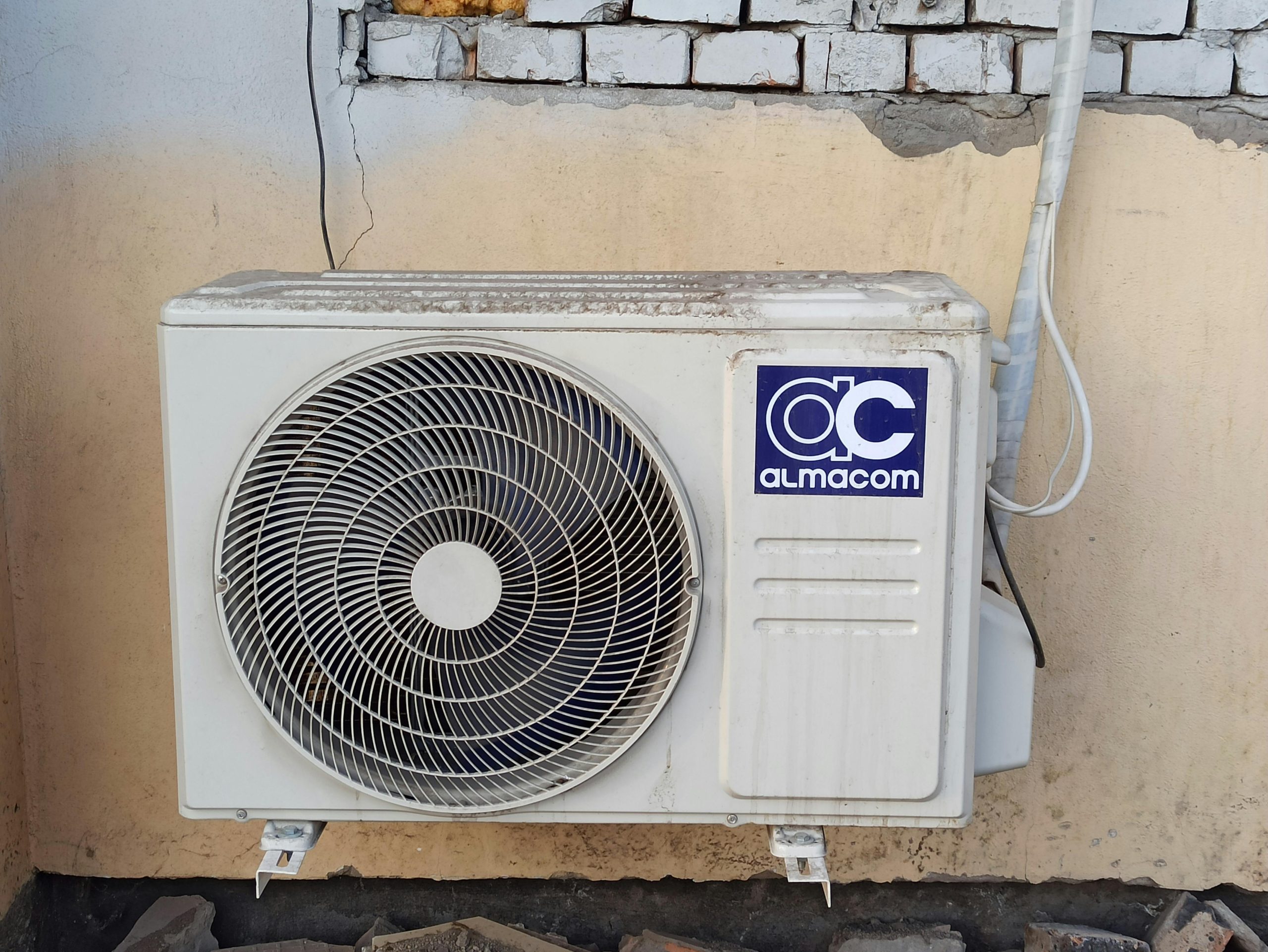
A Complete Guide to Buying an Air Conditioner (AC)
With rising temperatures and longer summers, an air conditioner has become more of a necessity than a luxury. Whether you are buying your first AC or upgrading an old one, choosing the right air conditioner can feel overwhelming. There are many options available in the market, each with different capacities, technologies, energy ratings, and price ranges. Making the right choice is important not only for comfort but also for energy efficiency and long-term savings. This article explores the key factors you should consider before buying an air conditioner.
Understanding Your Cooling Needs
Before purchasing an AC, it is essential to understand your cooling requirements. The size of the room plays a major role in determining the capacity of the air conditioner. AC capacity is usually measured in tons or BTUs. A small room may only need a 1-ton AC, while a larger living room may require 1.5 or 2 tons. Buying an AC with insufficient capacity will lead to poor cooling, while an oversized AC can result in unnecessary power consumption and higher electricity bills.
Apart from room size, factors such as ceiling height, number of windows, insulation quality, and direct sunlight exposure also affect cooling needs. Rooms that receive a lot of sunlight or have poor insulation may require a higher-capacity AC to maintain a comfortable temperature.
Types of Air Conditioners
There are several types of air conditioners available, each designed for different needs and spaces.
Window ACs are compact and affordable, making them suitable for small rooms. They are easy to install but can be noisy and less energy-efficient compared to other options.
Split ACs are the most popular choice for homes and offices. They consist of an indoor and outdoor unit, offering quieter operation and better aesthetics. Split ACs are more energy-efficient and provide faster cooling.
Portable ACs are ideal for temporary cooling needs. They can be moved from room to room but usually have lower cooling efficiency and are best for small spaces.
Central AC systems are designed for cooling large buildings or multiple rooms at once. While they provide uniform cooling, they are expensive to install and maintain, making them more suitable for commercial spaces or large homes.
Energy Efficiency and Star Ratings
Energy efficiency is one of the most important factors to consider when buying an AC. Air conditioners with higher energy efficiency consume less electricity, reducing your power bills and environmental impact. Most ACs come with energy star ratings, usually ranging from 1-star to 5-star.
A 5-star rated AC may cost more upfront, but it offers significant savings in the long run due to lower electricity consumption. If you plan to use your AC frequently or for long hours, investing in a higher star-rated model is a smart decision.
Inverter vs Non-Inverter ACs
Another key decision is choosing between inverter and non-inverter technology. Non-inverter ACs operate at a fixed speed, turning on and off to maintain the desired temperature. This results in higher power consumption and temperature fluctuations.
Inverter ACs, on the other hand, adjust the compressor speed based on the cooling requirement. They provide more stable cooling, consume less electricity, and operate more quietly. Although inverter ACs are more expensive initially, they are more cost-effective over time.
Features and Smart Technology
Modern air conditioners come with a wide range of features designed to enhance comfort and convenience. Some common features include sleep mode, turbo cooling, dehumidification, and air purification filters. These features improve indoor air quality and provide better temperature control.
Smart ACs with Wi-Fi connectivity allow users to control temperature, timers, and modes through smartphone apps or voice assistants. While these features are not essential, they add convenience and can help optimize energy usage.
Installation and Maintenance
Proper installation is crucial for the efficient performance of an air conditioner. Poor installation can lead to air leakage, reduced cooling efficiency, and higher energy bills. It is recommended to have the AC installed by a professional technician.
Maintenance is equally important to ensure long-lasting performance. Regular cleaning of filters, checking refrigerant levels, and servicing the unit can improve cooling efficiency and extend the lifespan of the AC. Some brands offer annual maintenance contracts, which can be helpful for hassle-free upkeep.
Budget and Brand Reliability
Setting a budget before buying an AC helps narrow down choices and avoid overspending. While it may be tempting to choose the cheapest option, quality and reliability should not be compromised. Well-known brands often provide better build quality, energy efficiency, and after-sales service.
It is also important to check warranty coverage for the compressor and other key components. A good warranty provides peace of mind and protects you from unexpected repair costs.
Environmental Considerations
With increasing awareness of climate change, choosing an environmentally friendly air conditioner is more important than ever. Look for ACs that use eco-friendly refrigerants with low global warming potential. Energy-efficient models not only save money but also reduce carbon emissions.
Conclusion
Buying an air conditioner is a long-term investment that affects comfort, energy consumption, and household expenses. By understanding your cooling needs, choosing the right type and capacity, prioritizing energy efficiency, and considering modern features, you can make an informed decision. Taking time to research and compare options ensures that you get an AC that delivers reliable performance, comfort, and value for money for many years to come.